
Because Old Windows Were Made to Be Repaired
Historic wood windows were built very differently from most modern replacement units.
Their individual parts can often be serviced, repaired, reglazed, adjusted, weatherized, and returned to use rather than discarded as a complete unit.
Peeling paint, loose glazing, broken sash cords, sticking sash, tired hardware, or localized wood deterioration do not automatically mean a window is beyond saving.
Sometimes an old window does not need to be replaced.
It needs to be maintained.
Preserve the Character of the Building
Windows are one of the most visible architectural features of an older building.
Their proportions, muntin patterns, sash dimensions, glass, trim, hardware, and relationship to the surrounding wall all contribute to the building’s appearance.
Replacing them with units of different dimensions or profiles can subtly change the character of the entire facade.
Restoration keeps the original design where it belongs:
in the building it was made for.
Keep Original Materials in Service
Historic windows often contain materials that are difficult or impossible to reproduce exactly today.
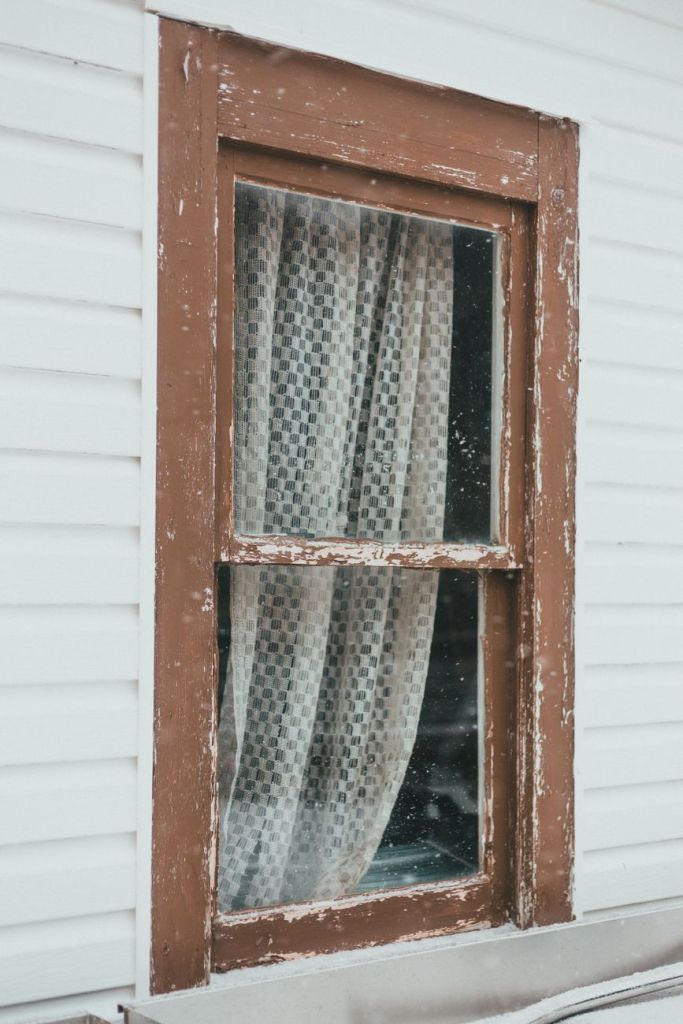
That may include:
- old-growth wood
- hand or early machine-made glass
- original hardware
- traditional joinery
- weights and pulley systems
- architectural profiles made specifically for the building
When those components can be repaired, keeping them in service preserves both the material and the craftsmanship that created them.
Historic Glass Is Part of the Story
Old glass is not always perfectly flat.
Small waves, bubbles, irregularities, and subtle distortions are often part of its character.
Those qualities catch light differently from modern glass and contribute to the appearance of a historic building.
Whenever practical, Windows of the Past works to preserve original glass rather than automatically replace it.
Repair What Has Failed
Restoration does not mean pretending nothing has changed in 100 years.
It means identifying what has failed and repairing it thoughtfully.
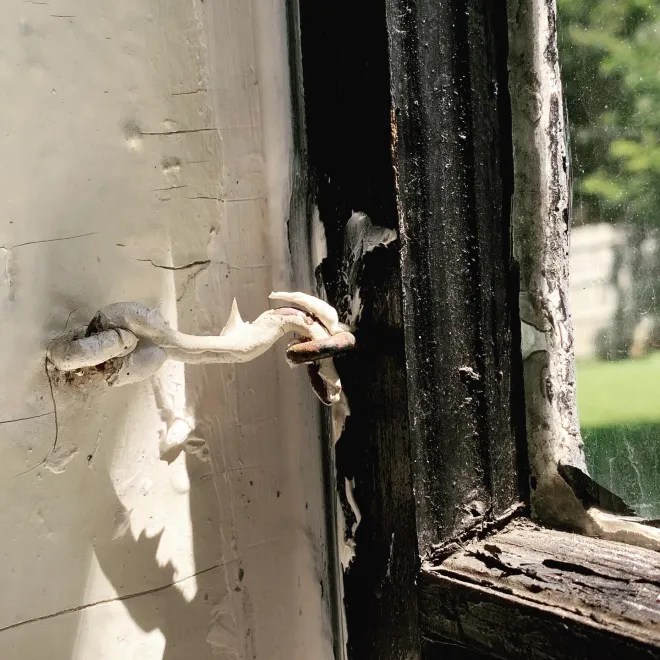
A restoration project may include:
- removing loose or failed paint
- repairing deteriorated wood
- replacing failed glazing compound
- repairing or replacing sash cords or chains
- servicing pulleys and weights
- cleaning and repairing hardware
- replacing broken glass
- adjusting sash for proper operation
- improving weather resistance
- repainting and protecting exposed wood
The goal is not to make the window “new.”
The goal is to make the original window functional again.
What About Energy Efficiency?
A common reason owners replace historic windows is concern about drafts and energy loss.
But replacement is not the only way to improve performance.
Depending on the condition of the window, improvements may include:
- repairing gaps and failed joints
- adjusting sash fit
- weatherstripping
- restoring glazing
- repairing locks so sash close properly
- adding or improving storm windows
The best solution depends on the individual building and window.
That is why Windows of the Past begins by evaluating what is already there rather than assuming replacement is the answer.
Restoration Is Not Always the Right Choice
Preservation does not mean saving every component at any cost.
Some windows have suffered severe structural deterioration, inappropriate alterations, extensive material loss, or damage that makes repair impractical.
The question should not be:
“Are old windows always better?”
The better question is:
“What can reasonably be preserved, and what solution is best for this building?”
Windows of the Past approaches each window individually.
Repair Before Replace
Our philosophy is simple:
Preserve original material whenever it can reasonably be saved.
Repair before replacing.
Replace individual failed components before replacing an entire historic assembly.
And when replacement truly is necessary, respect the character, proportions, and design of the original building.
There Is Value in What Is Already There
Historic buildings survive because generation after generation chooses to maintain them.
Windows are no different.
A sash that has already served a building for 75, 100, or even 140 years has a history.
With careful restoration, it may have a great deal of life left.
Before you throw it away, it is worth asking:

